
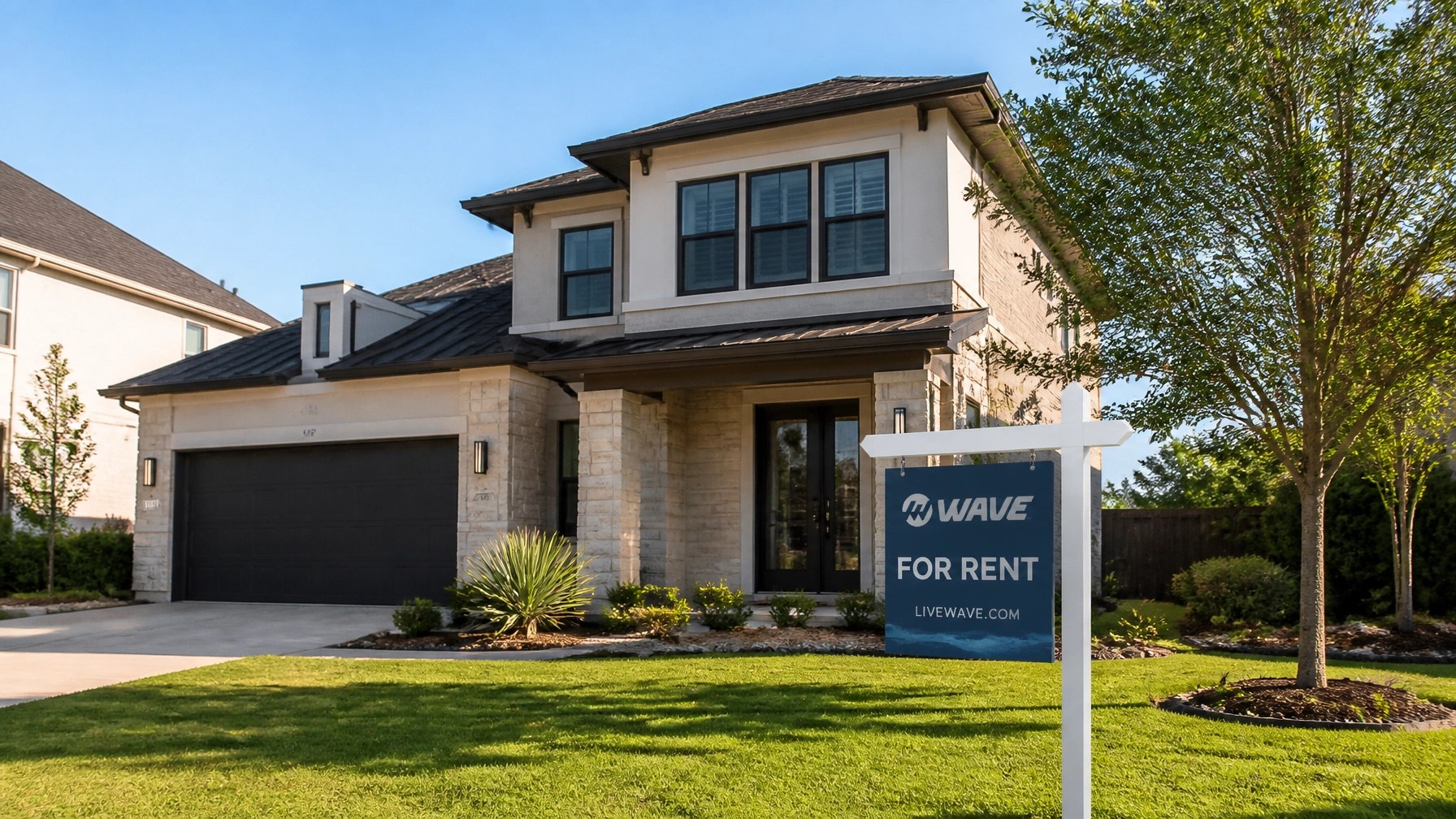
Being a landlord in the Lone Star State is more than just a business venture; it’s a commitment to providing a home for others while protecting your own financial future. Whether you own a single-family home in Plano or a multi-family duplex in Fort Worth, the unique Texas market requires a specific approach to insurance. At Wave Insurance Advisors, we know that managing rental properties comes with its own set of stressors: from unpredictable spring storms to the complexities of tenant relationships.
As a locally owned and independent insurance agency, we don’t work for a giant corporation; we work for you. We understand the Texas market inside and out, and we’re here to help you find the peace of mind that comes with knowing your investment is truly protected.
If you’re looking for a one-stop shop for coverage and a team that values long-term relationships, you’re in the right place. Here is our comprehensive guide with 20 coverage tips to help you navigate landlord insurance in Texas.
Why Landlord Insurance is Different
Many new landlords mistakenly assume their standard homeowners insurance will cover their rental property. Unfortunately, once you stop living in the home and start renting it out, a standard homeowners policy usually becomes void for that property. You need a specific Landlord Insurance policy (often called a Dwelling Fire policy or DP-3) to ensure you have the right protection for your assets and liability.
1. Opt for the DP-3 “Open Peril” Policy
In the world of landlord insurance, the DP-3 policy is the gold standard. Unlike a DP-1 policy, which only covers specifically named perils (like fire or lightning), a DP-3 is an “open peril” policy. This means it covers everything except what is explicitly excluded. For Texas landlords, this broader protection is almost always worth the slightly higher premium.
2. Choose Replacement Cost over Actual Cash Value
When a claim occurs, you want your payout to cover the actual cost of repairs at today’s prices. Replacement Cost Coverage (RCC) pays to rebuild or repair your property without deducting for depreciation. Actual Cash Value (ACV), on the other hand, only pays what the item was worth at the time of the loss: which could leave you with a massive bill to cover the difference.
3. Maximize Your Liability Limits
Liability is perhaps the most overlooked part of landlord insurance. If a tenant or a guest is injured on your property and sues you, your personal assets could be at risk. We recommend carrying at least $300,000 to $500,000 in liability coverage, though many of our clients opt for $1,000,000 to be safe.
4. Consider an Umbrella Policy
For landlords with multiple properties or significant personal assets, a standard liability limit might not be enough. A Personal Umbrella Policy can provide an extra layer of protection (usually starting at $1 million) that kicks in after your landlord policy’s limits are exhausted.

5. Protect Your Income with “Loss of Rents” Coverage
If a fire or major storm makes your rental property uninhabitable, you aren’t just losing a building; you’re losing your monthly income. Loss of Rents coverage (also known as Fair Rental Value) replaces that lost income while the home is being repaired.
6. Extend Loss of Income to 12 Months
In today’s construction environment, repairs can take longer than expected due to labor shortages or material delays. We suggest ensuring your Loss of Rents coverage lasts for at least 12 months to give you a sufficient safety net.
7. Add Water Backup and Sewer Coverage
Standard policies often exclude damage caused by water backing up through sewers or drains. In many Texas cities with aging infrastructure, this is a common issue. Adding a water backup endorsement is a small cost that can save you thousands in restoration bills.
8. Look for Service Line Coverage
As the property owner, you are responsible for the utility lines (water, sewer, power) that run from the street to your house. If a tree root breaks a pipe or a line collapses, repairs can cost $5,000 to $10,000. Service Line Coverage is an affordable add-on that handles these exterior repairs.
9. Verify “Other Structures” Coverage
Does your rental property have a detached garage, a shed, or a high-quality fence? Make sure your policy includes Other Structures coverage. In Texas, where wind and hail are frequent visitors, fences are often the first things to go.
10. Address Vandalism and Malicious Mischief
If a property sits vacant between tenants, it becomes a target. Ensure your policy includes Vandalism and Malicious Mischief coverage. Be aware that most policies have a “vacancy clause” that may limit this coverage if the home is empty for more than 30 or 60 days.
Tailoring Your Policy to the Texas Market
Texas presents some unique challenges that require a local’s touch. At Wave Insurance Advisors, we specialize in Texas homeowners and rental insurance, and we know exactly what to look for in your policy fine print.
11. Require Renters Insurance in Your Lease
One of the best ways to protect yourself is to require your tenants to have their own Renters Insurance. This covers their personal belongings and, more importantly, provides them with their own liability coverage. If they accidentally start a kitchen fire, their insurance can help cover the damages, potentially keeping the claim off your history.
12. Get a Separate Flood Insurance Policy
This is critical: Standard landlord insurance does NOT cover flood damage. Whether your property is in a high-risk zone or not, Texas flash floods are no joke. We can help you secure a separate flood policy to ensure you aren’t left underwater, literally.
13. Mind the Animal Liability
If you allow pets (which can increase your rental pool), check if your policy has animal liability restrictions. Some carriers exclude certain breeds or all animal-related injuries. If you’re a pet-friendly landlord, we’ll help you find a carrier that supports that.
14. Review Wind and Hail Deductibles
In Texas, wind and hail deductibles are often calculated as a percentage of your dwelling coverage (usually 1% or 2%) rather than a flat dollar amount. We’ll help you understand exactly what your out-of-pocket cost would be after a North Texas hailstorm.
15. Factor in Law and Ordinance Coverage
Building codes change over time. If your older rental property is damaged, you may be required to bring the entire structure up to current codes during the repair process. Law and Ordinance coverage pays for these extra costs that standard policies often skip.
16. Short-Term vs. Long-Term Rentals
Are you listing your property on Airbnb or VRBO? A standard landlord policy might not cover short-term rentals. These require a specific endorsement or a specialized “business” policy to ensure you are covered for the high turnover of guests.
17. Schedule Regular Property Inspections
Keeping your property in good shape isn’t just good for your tenants; it’s good for your insurance. Carriers are increasingly using aerial photography and inspections to check roof conditions. Staying on top of maintenance helps prevent non-renewals.
18. Keep Meticulous Records
If you ever need to file a claim, having photos of the property’s condition before the tenant moved in (and after any upgrades) is invaluable. Save receipts for major upgrades like new roofs or HVAC systems, as these can often lead to lower premiums.
19. Bundle for Better Rates
As an independent agency, we have the flexibility to bundle your landlord insurance with your primary residence or auto insurance. Bundling is one of the easiest ways to see significant savings while keeping all your insurance needs in one place.
20. Partner with a Local Independent Agent
The most important tip we can give you is to work with someone who knows your neighborhood. At Wave Insurance Advisors, we don’t just sell policies; we build relationships. We take the time to understand your specific goals as a landlord and tailor a plan that fits your budget and risk tolerance.
Protecting Your Peace of Mind
At the end of the day, landlord insurance is about safeguarding your livelihood. You’ve worked hard to acquire your rental properties, and you deserve an insurance partner who works just as hard to protect them.
We pride ourselves on being a one-stop shop for Texas property owners. From homeowners and auto to complex commercial and landlord policies, we’ve got you covered. We focus on clear communication, local expertise, and, above all, the peace of mind of our clients.

Ready to Review Your Coverage?
Don’t wait for a claim to find out if you have the right protection. Let’s sit down (or hop on a call) and look at your current portfolio. We’ll help you identify any gaps and find the best value available in the Texas market today.
Contact Wave Insurance Advisors today:
- Phone: 817.907.8701
- Website: wavetxinsurance.com
- Visit Us: Our Contact Page
We look forward to helping you protect your Texas investment!